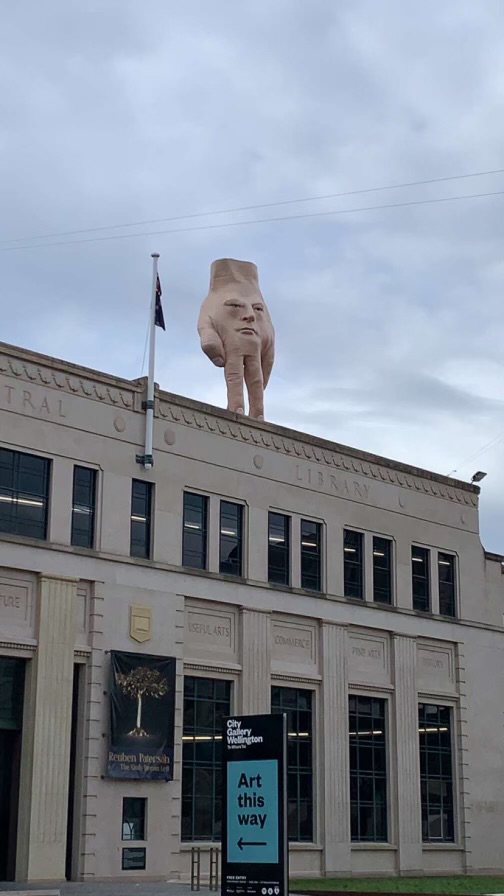
We visited the Wellington School for Architecture for the first part of our day. I was amazed that they had robots that basically can do human jobs such as building architecture, being able to recycling waste, as well as monitoring human movement. I found that the Victoria School for Architecture has made some strides with sustainability by creating things in architecture to help better the environment. We ended up walking around Wellington near Cuba Street and checked out some cool places in the meantime. After that, we went to the Wellington City Council and were told that policies were passed to that building. What I found pretty interesting was that they have a “basement” that was below sea level and I was wondering how they would give their people who work in the building how to evacuate during a tsunami. After that, we went to the NZ Center for Sustainability Cities. During the seminar, we were listening to how public housing and urban development processes were affecting how research focus in order for the people, environment, and economy would benefit. One of the seven suggested areas of research focus I found very resounding was “are ukaipo identified and supported within the community and is there help for Maori residents to connect with them.” I found that to be compelling as numerous indigenous groups are outcasted by society and they need to follow collectivism as they are the minorities in their own home country and they need to get along in order to build a comparable environment around each other. Some indigenous groups clash and that is why they are discriminated against so heavily due to the fact that they cannot sometimes coexist with each other. During the public housing and urban regeneration research program study, I was surprised that COVID restrictions were still in play during the summer of 2022, and that is when the students who were presenting, did their interviews via phone call. I found that to be interesting as despite the evidence they gathered, it almost didn’t seem as authentic as an actual 1 on 1 interview. At the end, the thing that stood out was when we talked about GDPs. “The higher you’re GDP is, the more you are stressed and not helping others as it is derived to be more indsivisulaitic.” That stood out as the man who explained this basically said ifs you’re GDP is lower, you might not make as much money, but your overall health and stress levels are not bad and you feel better by helping out your community. I feel that with New Zealand, community comes first before yourself, and in the United States, it is all about saving your own skin even at the expense of others. This is a picture I found that Duncan said “that looked like Donald Trump”. Hope you enjoy :).