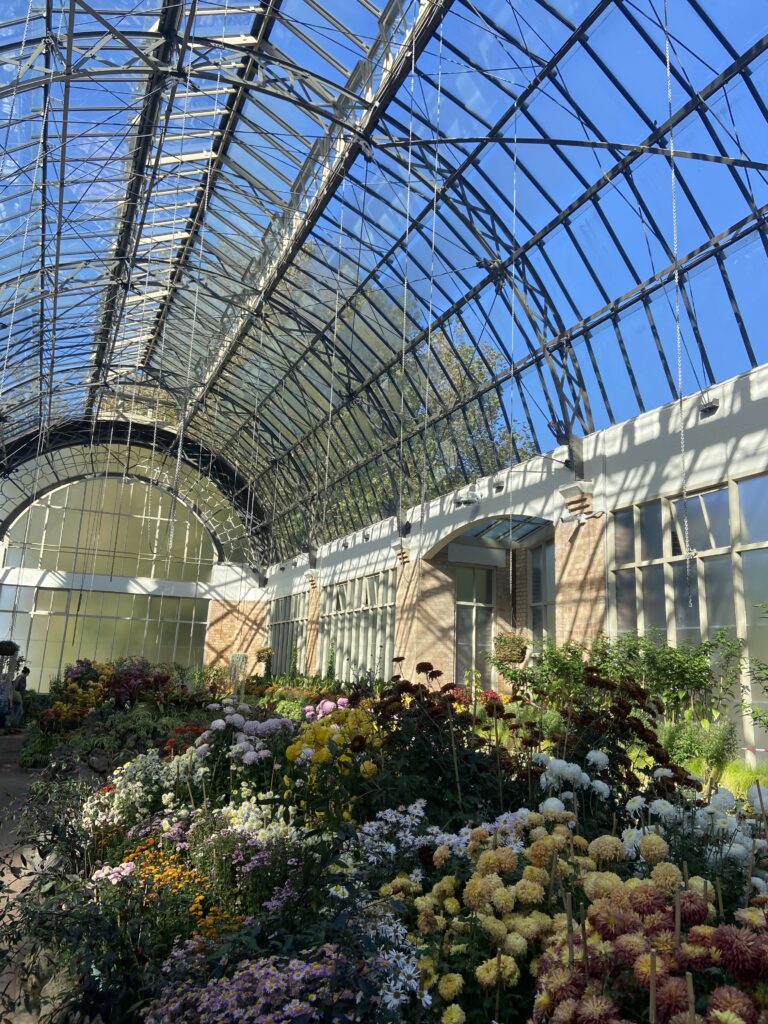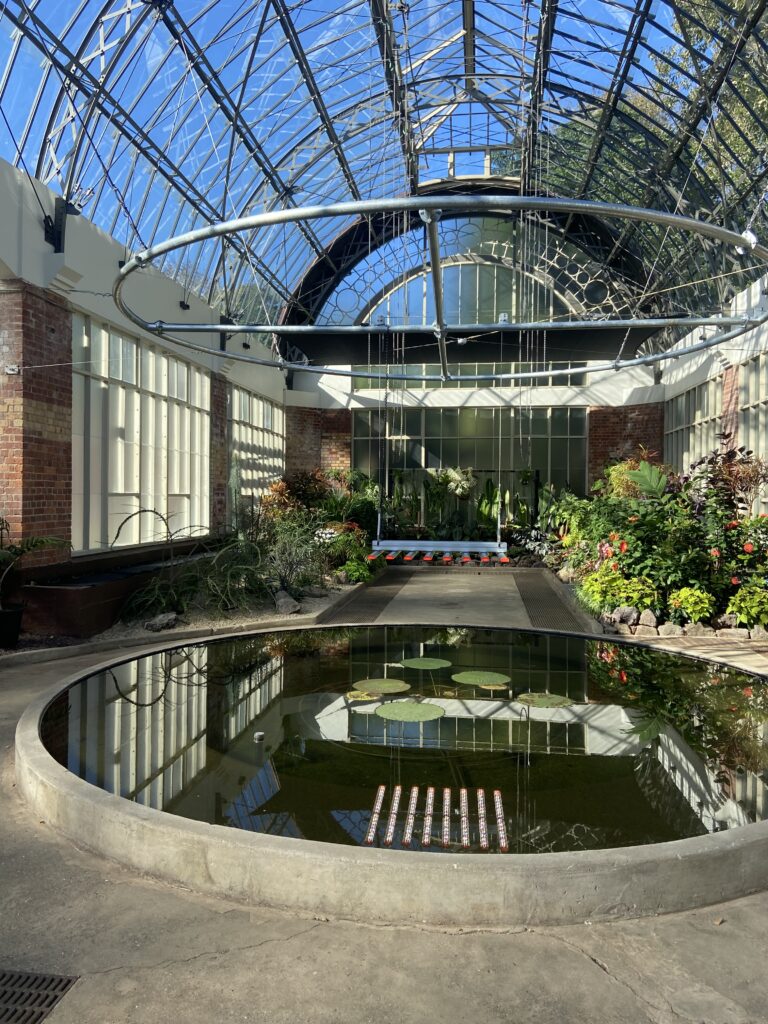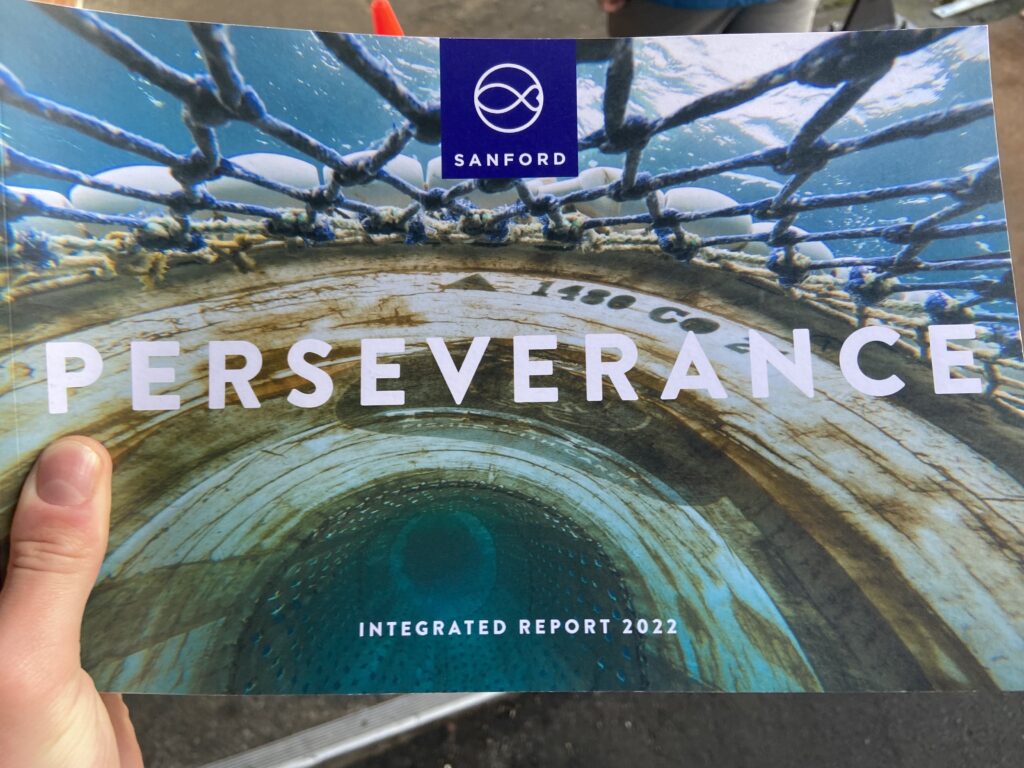
In the morning, before the group met up, I went to the Auckland Botanical Garden. It was a beautiful area with much to see. What was interesting to me was the garden was divided. There was a tropical room and a cool room in which the plants were housed. The tropical room was very humid and supported plants which require warmer temperatures to survive. We went into the cool room straight after the tropical room and it was considerably colder. This room contained plants which needed colder climates to live. I learned that plants were transferred between rooms if need be, once the maintainers of the garden could identify the plant’s ideal environment. After leaving the garden, I walked down to the pier where the fishery was located and met up with the group. The Sanford Fishery provided a helpful insight into the fishing industry in New Zealand. Something I hadn’t thought about that was important was due to the long and skinny shape of the country, fishermen could catch warmer, more tropical species of fish on one end of the island and more arctic species at the other end. Also, with the country being relatively small in population, Sanford is able to export much of its catch. On the tour of the facility, we learned about how a fish auction takes place, which was very interesting. This method of selling fish moves it to buyers quickly and effectively, with the auction occurring at 6am and the fish being in the store or supermarket at 8am. I learned that in short stint fishing, where vessels only go out for a few days, the catch is put on ice and therefore still fresh and ready to be sold immediately. I also learned that in longer stint fishing, where vessels are out for weeks, the catch is frozen on the boats so that they are ready to be transported on arrival to shore. I learned that the regulations are very strict, with fishermen having to report their catch within two hours of arrival into port, and sometimes right at the dock. The tour and presentation showed how Sanford is taking steps to become more sustainable, such as working to integrate new packaging techniques and blocking off areas on the sea floor that cannot be harvested or trawled.